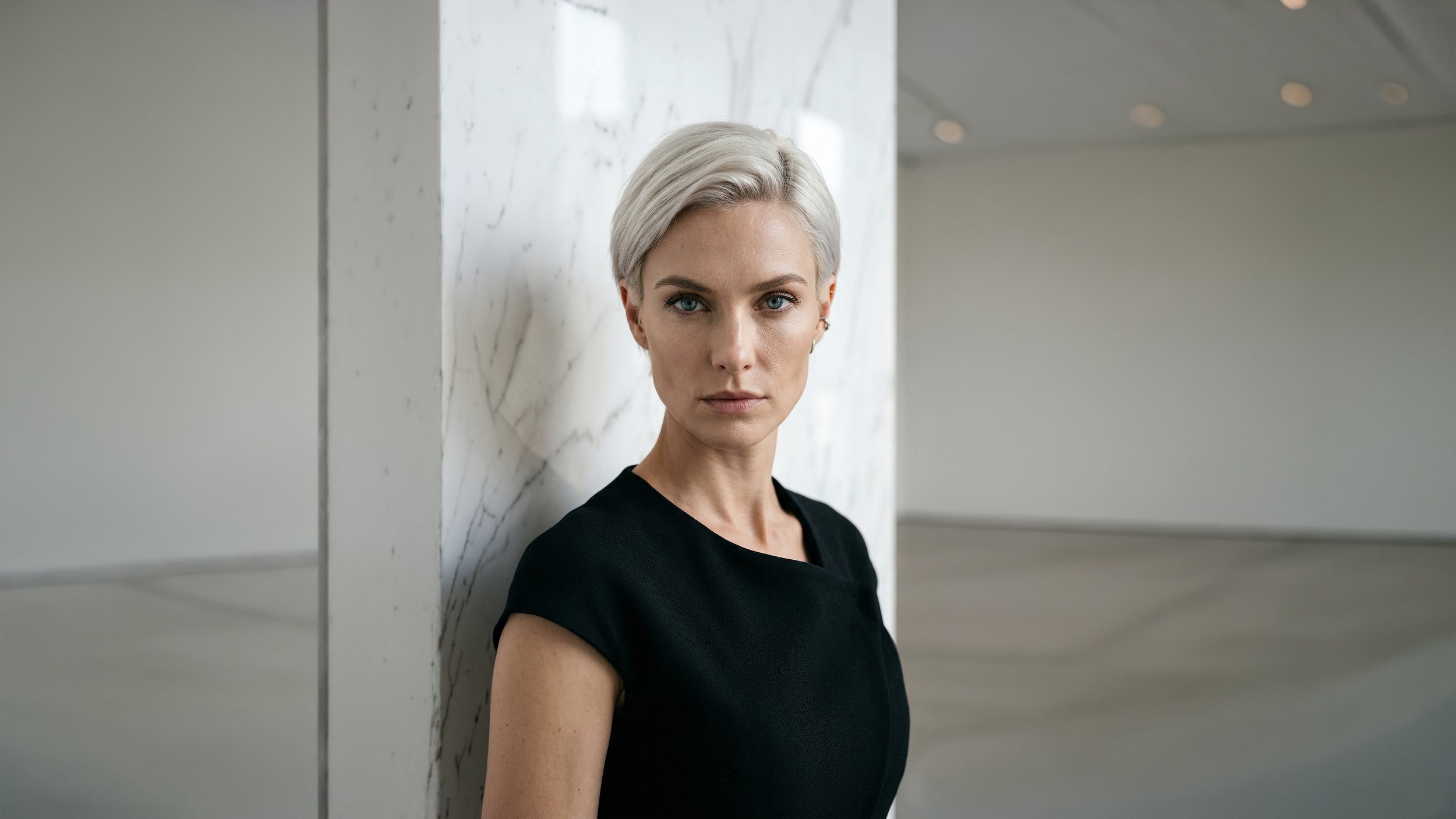
How AI is Redefining the Boundaries of Photography
Many view the advent of Artificial Intelligence in photography with skepticism. However, those familiar with the history of photography know that technical progress has always been its driving force. From analog film to digital sensors, from the darkroom to Photoshop, every innovation has opened up new creative horizons.
AI is not a replacement for the craft, but rather the most powerful tool of our time. It doesn't take over the act of taking pictures; instead, it removes technical barriers. Where hours used to be spent on meticulous retouching or salvaging underexposed shots, AI now enables us to use time more efficiently and focus on what truly matters: the vision. It expands the toolkit and allows for the creation of images that were previously technically impossible or unaffordable. AI isn't destroying photography; it is helping it come of age.
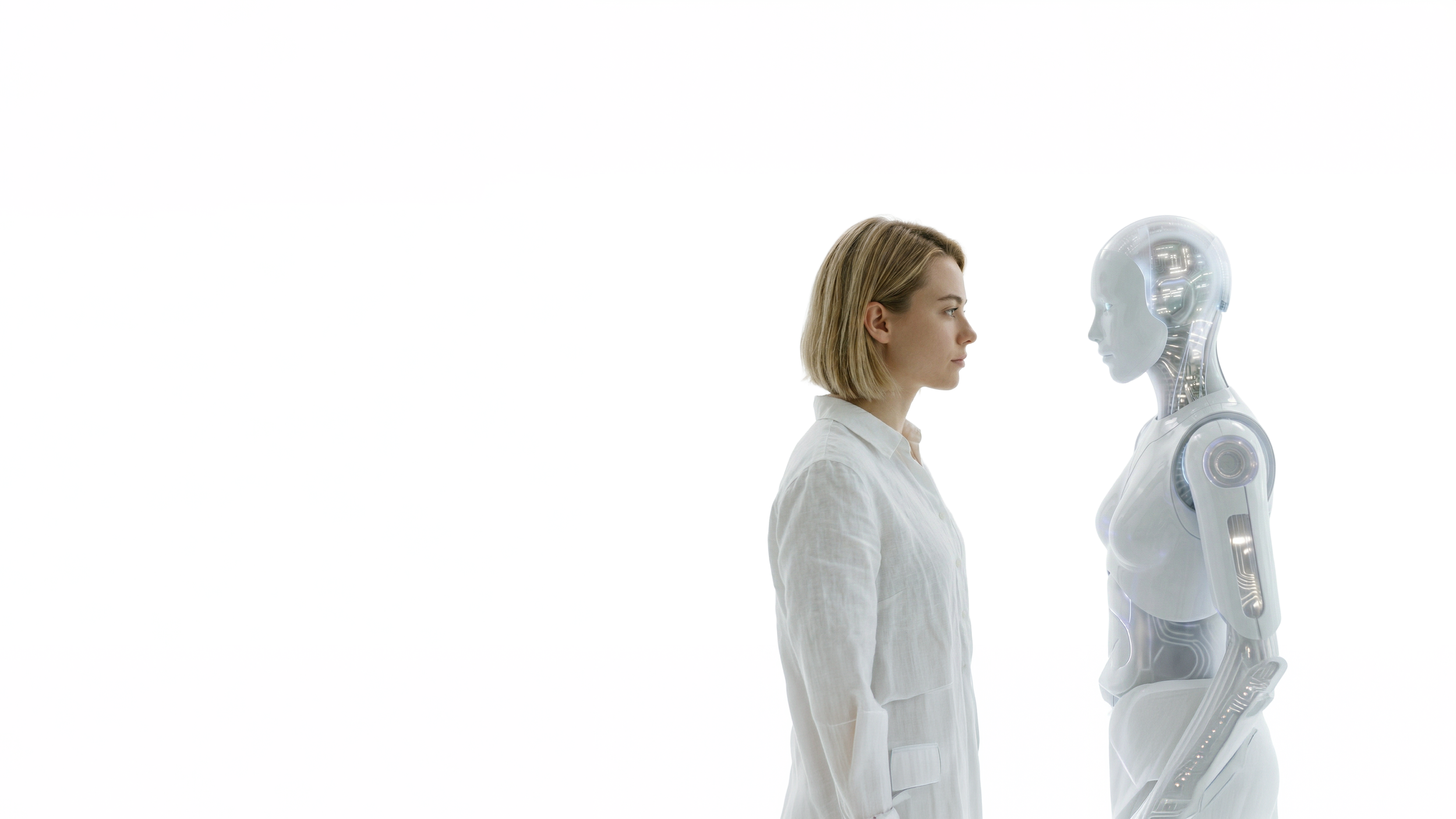
Human vs. AI
A photograph is about much more than just perfectly arranged pixels. While AI can generate a technically flawless face or calculate a sunset in a matter of seconds, it cannot understand why a specific moment is precious.
The heart of photography remains the "photographic eye", the ability to sense the atmosphere in a room, build a connection with a subject, and press the shutter at the exact right fraction of a second. An algorithm lacks intuitive timing. It doesn’t feel goosebumps during a wedding vow, nor can it recognize the subtle sparkle in someone's eyes that tells a genuine story.
The "soul" of an image is born from empathy and the conscious decisions made by the person behind the lens. While AI provides the data, it is the human perspective that creates context, emotion, and humanity. This is what transforms a photograph into a lasting memory.
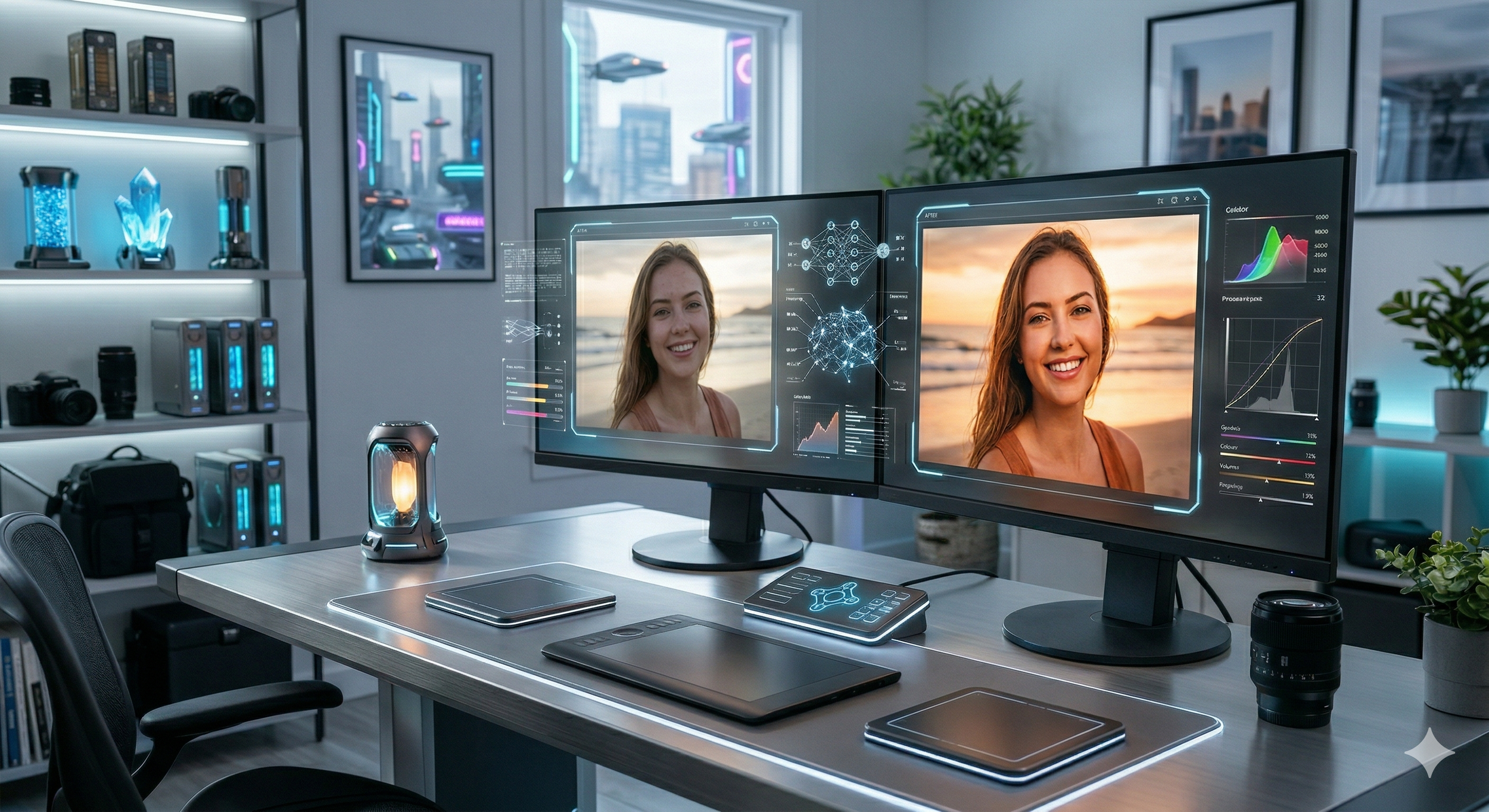
Creative Image Editing & Retouching
In the past, high-end retouching often meant hours of tedious "pixel pushing." Today, AI tools allow us to get the most out of every shot, faster and more precisely than ever before.
It’s not about distorting reality, but rather about perfecting it. Whether through generative fill, which makes distracting elements vanish without a trace, or through intelligent algorithms that preserve natural skin textures while gently correcting imperfections: technology serves aesthetics.
These tools allow us to push creative boundaries. Expanding a photo’s frame after the fact or adjusting lighting moods with pinpoint accuracy, things that weren't feasible on-site, is now standard practice. The goal is to achieve flawless, high-level results without losing the organic look of a real photograph.
The World of AI Image Generation
Beyond traditional photography, platforms like Midjourney and DALL-E are opening up entirely new possibilities for visual communication.
Concept & Moodboards: Even before a shoot, AI can be used to create precise mood boards to visualize lighting, composition, and styling. This establishes a clear visual foundation for everyone involved in the project.
Hybrid Worlds: When a real portrait needs to be placed in a fictional location, the fusion of photography and AI-generated environments creates a seamless unity. This offers a cost-efficient and limitless alternative to elaborate, physical set construction.
In this realm, the boundaries between photography and digital art are blurring. It allows for the creation of worlds that were previously based purely on human imagination.
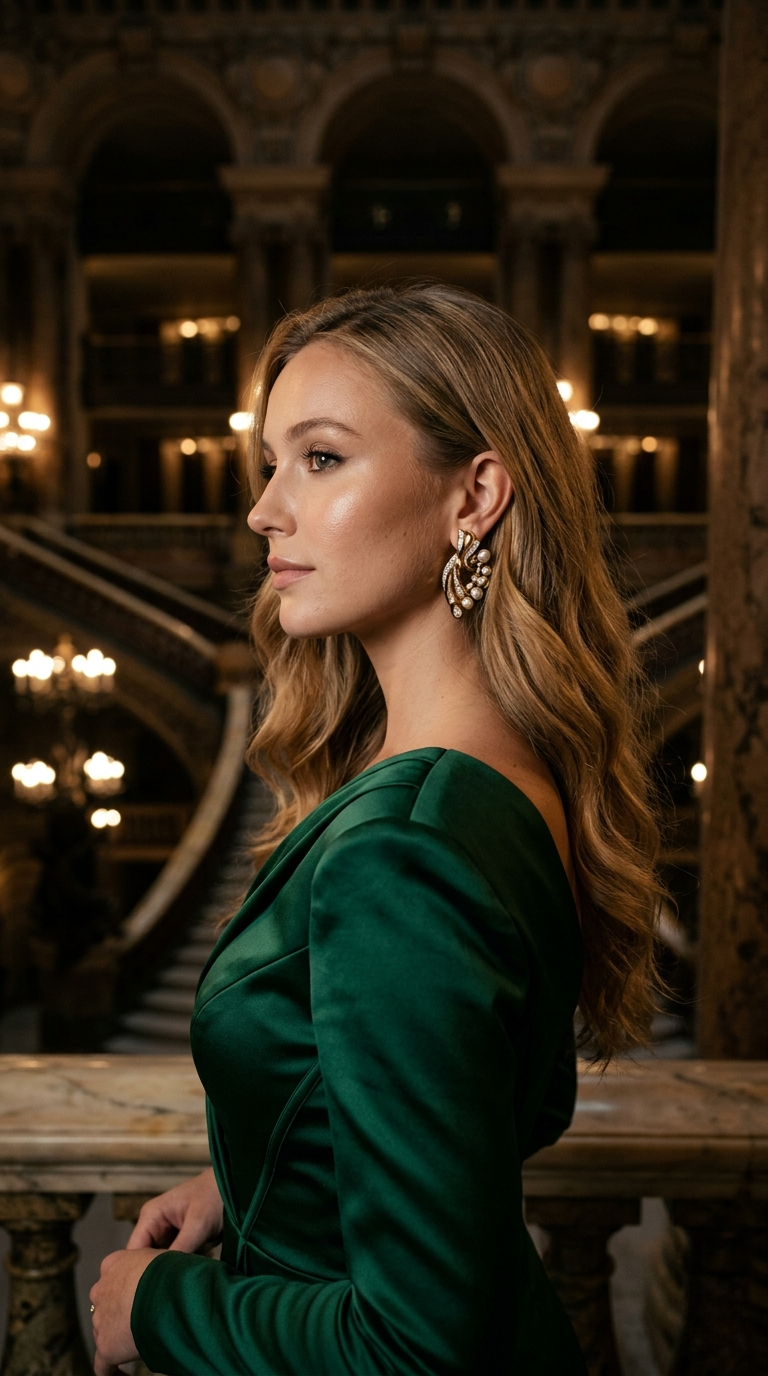
Truth or Fiction?
Photography has always been about the process of selection: the framing, the lighting, and the perspective. AI represents the natural progression of this principle. Nevertheless, a clear line can be drawn:
The photographic document: A "real" photo is considered a document of a real encounter or a moment that actually took place. In this context, AI acts merely as an "invisible assistant", for example, for noise reduction, color correction, or to eliminate minor distractions. The essence and authenticity of the image remain untouched.
The generated image: A purely generated image, on the other hand, is understood as a digital illustration. It stems from a creative vision rather than the immediate reality in front of the camera.
As long as these tools serve to tell a story more precisely or to achieve an aesthetic that would not be physically feasible, they represent a valuable asset. However, the critical boundary is crossed when the credibility of a person or an event is distorted without proper transparency or disclosure. Ultimately, it is about maintaining the balance between technological innovation and ethical integrity.
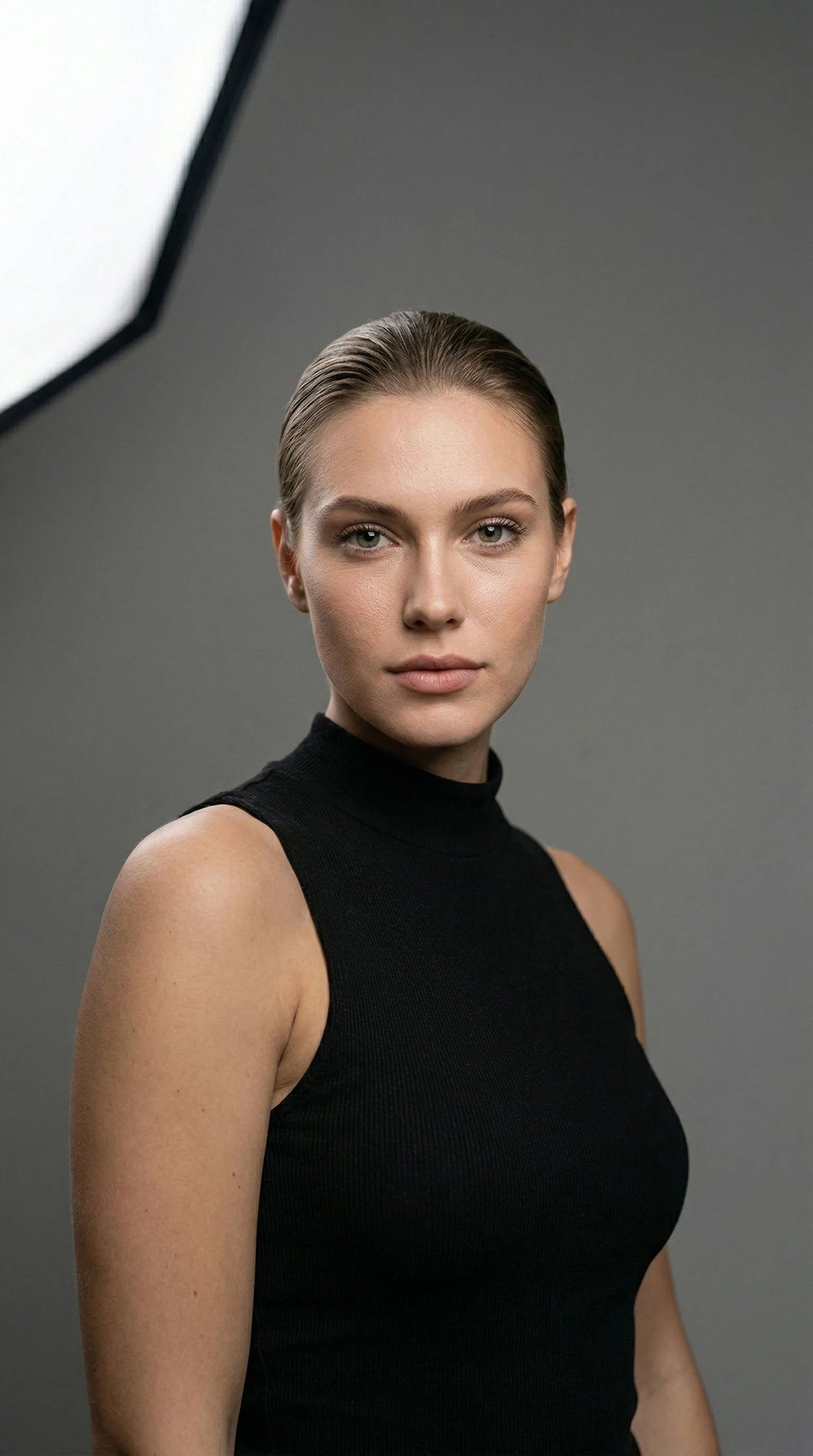
Transparency Builds Trust
To provide clients and viewers with constant clarity regarding the creation process of an image, full transparency is essential. Open communication is key to avoiding the uncertainty surrounding the question, "Is this real?"
A simple three-tier system is ideal for labeling images in portfolios and projects:
AI-Optimized: The image is a traditional photograph that has been technically perfected using AI tools (e.g., optimization of sharpness, lighting, or subtle retouching).
AI-Enhanced: The photo contains generative elements (e.g., an expanded background or the removal of complex objects).
AI-Generated: The image was created entirely or largely based on text prompts or digital concepts.
By maintaining this honest approach, the appreciation for the photographic craft is preserved while the possibilities of modern technology are fully embraced
Legal Certainty and Copyright
The use of AI often raises questions regarding legal certainty, especially in the commercial sector. In this sensitive field, a reliable and legally sound workflow is indispensable.
Only professional AI tools are used (such as Adobe Firefly or licensed Midjourney accounts) that are explicitly cleared for commercial use. This ensures the following points:
Copyright Clarity: Creation takes place outside of legal gray areas.
Usage Rights: The agreed-upon usage rights are transferred for projects, just as they would be in a traditional production.
Ethical Standards: Strict care is taken to ensure that the AI models used are based on licensed data, thereby safeguarding the rights of other creators.
"We are currently witnessing one of the most significant turning points in the history of photography. It is vital that we, as photographers, embrace these advancements, as AI is already transforming the way we edit and create images. Curiosity and the willingness to explore new avenues are a photographer's most essential tools today. Ultimately, those who thrive in this industry will be the ones who perfectly unite technology with human intuition."